Digital Marketing isn’t just another buzzword—it’s the lifeline that connects small businesses with their customers in today’s digital-first world. For many small businesses, the challenge isn’t having great products or services, but making sure the right people know about them. That’s exactly where Digital Marketing comes in.
This guide will break down what Digital Marketing really means, why it’s so powerful for small businesses, and the top five channels that beginners should focus on first. The aim is simple: to give you clarity, actionable advice, and a clear starting point—without drowning in technical jargon or overused buzzwords.
What is Digital Marketing?
Digital Marketing uses online channels, platforms, technology, and artificial intelligence to promote products, services, or brands. In simple terms, it means showing up where audiences spend time—on search engines, email, social media, or AI-powered tools. AI helps personalize content, target the right audience, optimize campaigns, and even predict trends. Unlike traditional ads, Digital Marketing is interactive. People reply, share, comment, and even buy directly from an ad. The goal is to attract, engage, and get results, whether that’s sales, signups, or just attention
Why Digital Marketing Matters
Digital Marketing is a powerful tool because it allows small and medium businesses to reach their audience where they already spend most of their time online and on mobile devices. Unlike traditional marketing methods, which can be costly and limited in reach, Digital marketing allows businesses to reach and connect with customers at any budget. With the right strategy, you can promote your products or services, increase brand awareness, and engage potential customers, without needing a large advertising spend.
Another key advantage is that Digital Marketing provides real-time feedback, giving businesses the ability to track results and adjust their strategy quickly. This makes campaigns more effective and ensures resources are used efficiently. When executed thoughtfully, Digital Marketing doesn’t just serve as a way to advertise, it becomes a way to build meaningful relationships with customers, engage them in relevant ways, and establish a strong, credible presence in a digital-first world.
Top 5 Digital Marketing Channels
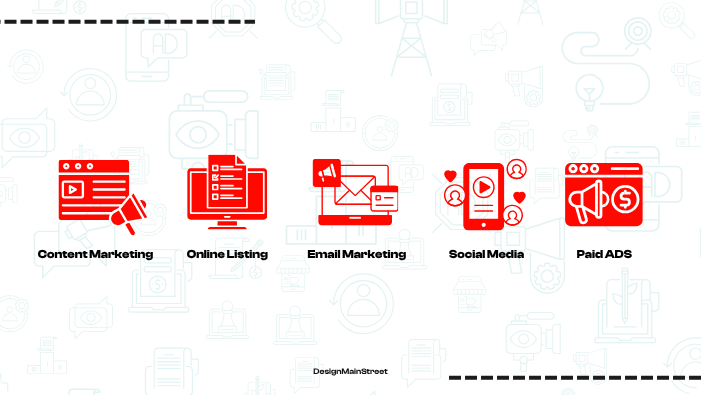
| Channel | What It Does |
|---|---|
| Content Marketing | Attract and engage customers with blogs, videos, guides, and your website. Optimize content using Search Engine Optimization (SEO) and Generative Engine Optimization (GEO) to reach the right audience with relevant search results. Builds authority and trust in your brand. |
| Online Listing | Increase your visibility on local directories like Apple Business, Google Maps, and industry-specific platforms. Make it easy for potential customers to find and contact you. |
| Email Marketing | Strengthen customer relationships through personalized newsletters, updates, and promotions. Use targeted campaigns to deliver a high return on investment and drive conversions. |
| Social Media | Grow brand awareness and engagement on platforms like Instagram, TikTok, LinkedIn, and Facebook. Share content, connect with your audience, and drive traffic to your website or offers. |
| Paid Advertising | Target the right audience through Google Ads, Meta Ads, and other paid channels for measurable visibility, lead generation, and sales growth. |
Real-World Impact of Digital Channels
Digital Marketing is everywhere:
- Local Shops: Attract new customers using Google Maps and positive online reviews.
- E-commerce Stores: Reach buyers with Social Media and Website
- Freelancers: Showcase skills and get clients through LinkedIn content.
- Nonprofits: Boost donations and awareness with well-planned email campaigns.
- Small & Medium Businesses: Increase visibility and engagement by combining social media, email, and online advertising effectively.
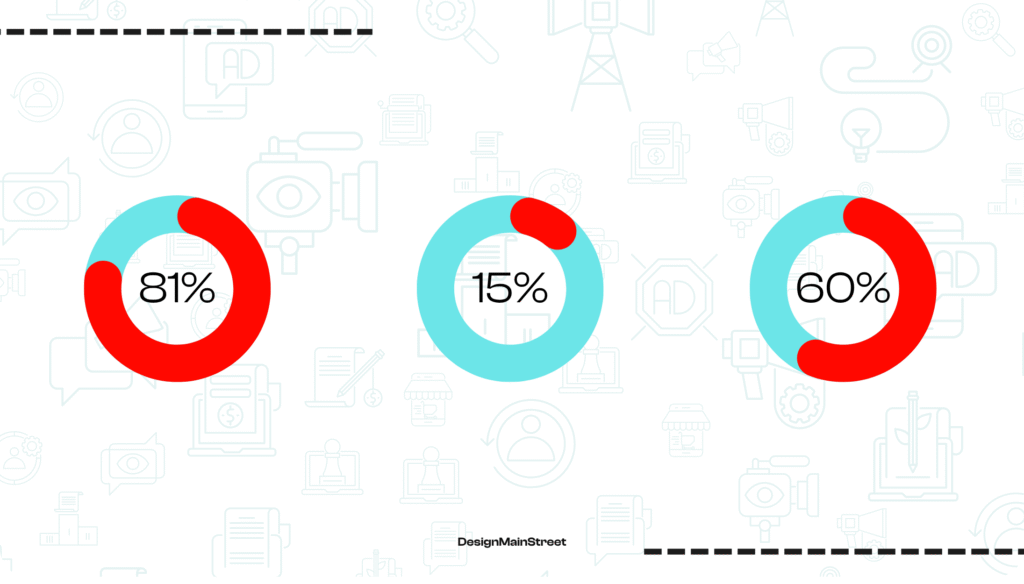
Key stats:
- 81% of shoppers research online before buying in-store, according to a 2025 report from Helplama and GE Capital Retail Bank.
- The average email marketing conversion rate across all industries is 15.22%.
- Over 60% of people discover new brands on social media platforms. For example, Facebook’s own data via Porch Group Media shows 60% of consumers discovered new products on Instagram in 2025.
Getting Started with Digital Marketing
If you’re new, here’s how to take your first steps without getting overwhelmed:
- Start with a Website: Make sure your site shows what your business does and how people can reach you.
- Choose a Channel: Focus on another channel like social media to start.
- Learn for Free: Use Google Digital Garage, HubSpot Academy, or YouTube tutorials.
- Try Small Experiments: Post a blog, run a test ad, or send your first email newsletter.
- Watch and Adjust: Check results, learn what works, and improve as you go.
The key is to move forward. Don’t hold back waiting for perfection; logging your first action is better than waiting for the “right” time.
Final Thoughts
This Guide to Digital Marketing is just the starting point, but it gives you a foundation to build on. Digital marketing is not about tricking people; it’s about being present where your audience is and offering genuine value.
Whether you’re a solo entrepreneur, student, or growing business, the skills you build today will last for years. In a fast-changing world, those who know how to reach and connect online will always stay ahead.